

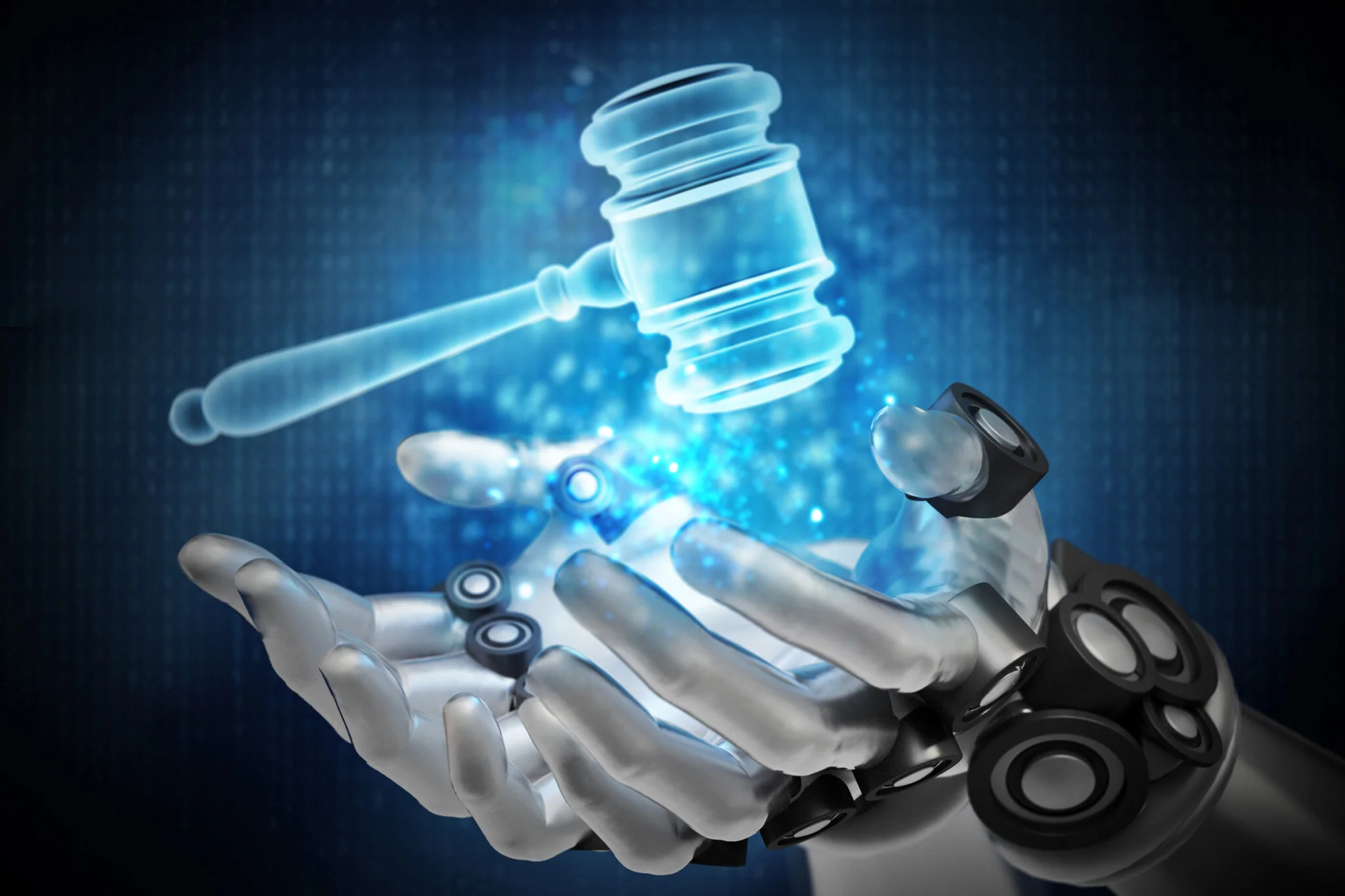
Can a Computer Decide How Much Pain You Feel?
Pain is real even when it does not show up on a scan. After a serious crash you may live with daily aches, broken sleep, and a body that no longer does what it used to. Now insurance companies are turning to artificial intelligence that claims to measure pain objectively, scoring your facial expressions, your movements, or your treatment records and then announcing that you are not hurting as much as you say. It can feel like being called a liar by a machine. This guide explains, in plain terms, how insurers use AI pain-assessment tools in Michigan injury claims, why these tools are far less reliable than they look, and what actually decides the value of your pain and suffering under the law.
The Insurer’s Newest Way to Say You Are Fine
Pain has always been the part of an injury case that insurance companies fight hardest, because it does not come with a tidy receipt. An adjuster cannot photograph your sleepless nights or chart the ache that flares when you lift your child. So the industry has reached for technology that promises to do the impossible: turn your private suffering into a single, low number. Some programs analyze video for facial micro-expressions and claim to detect whether someone is in genuine pain. Others scan your medical records, prescriptions, and visit patterns and generate a pain or recovery score. A few try to read your movement from photos or wearable data.
The output looks authoritative, and that is exactly the problem. A confident score gives an adjuster cover to make a low offer and to suggest that you are exaggerating. But none of these tools feel what you feel. They do not know that you stopped going to physical therapy because you could not afford the copays, or that you smile in a waiting-room video to be polite while your back is screaming. A machine that mistakes a brave face for a healthy one is not measuring pain. It is guessing, and dressing the guess up as science.
Why Pain Cannot Be Reduced to an Algorithm
Medicine itself has never found an objective meter for pain. The standard tools doctors use, such as the zero-to-ten scale, exist precisely because pain is personal and cannot be read from the outside. Two people with the same injury can feel and function very differently. An AI tool inherits every limitation of the data it was trained on, and it adds new ones. Facial-expression analysis has well-documented accuracy problems and can perform worse across different ages, skin tones, and cultures. A records-based score can be thrown off by gaps in treatment that have nothing to do with how much you hurt, like transportation problems, work schedules, or an insurer that already cut off your benefits.
In a Michigan injury case, your pain and suffering is not measured by a gadget at all. It is decided by people, a jury or the negotiating parties, who weigh your own testimony, the accounts of family and coworkers who see you every day, your treating doctors, and the honest picture of how the injury changed your life. That human judgment is the legal standard. An AI score is, at most, one disputed piece of evidence that the insurer would have to defend, not the final word on what you have lost.
Before an AI Score Counts, It Has To Survive the Reliability Test
If a claim ends up in court, an insurer cannot simply wave an AI pain score in front of a jury. Michigan strengthened its expert-evidence rule, MRE 702, effective May 1, 2024, to match the stricter federal standard. The party offering machine-generated analysis must show it is more likely than not that the opinion rests on sufficient facts and data, comes from reliable principles and methods, and reflects a reliable application of those methods to your actual situation. The judge serves as a gatekeeper and can refuse to let unreliable analysis reach the jury at all.
That burden falls on the insurer. Your attorney can demand to see how the tool was built and tested, whether it has ever been validated for measuring pain, what error rate it carries, and whether the people relying on it are qualified to interpret it. Because pain-detection technology is new and largely unproven, these tools often cannot meet that bar. A judge can also exclude the evidence under MRE 403 when its power to mislead or unfairly prejudice a jury outweighs whatever it adds. Making the insurer prove its technology, instead of letting a slick score speak for itself, is often where the fight over your pain is won.
What Actually Decides Your Pain and Suffering in Michigan
To recover for pain and suffering after a Michigan crash, you generally bring a third-party claim against the at-fault driver, and you have to meet the serious-impairment threshold in MCL 500.3135. The Michigan Supreme Court explained that threshold in McCormick v Carrier, 487 Mich 180 (2010): you must show an objectively manifested impairment of an important body function that affects your general ability to lead your normal life, judged by your own circumstances rather than a fixed list of boxes. There is good news for honest claimants here. Michigan sets no dollar cap on pain-and-suffering damages in an ordinary auto case, unlike the separate cap that applies in medical malpractice claims under MCL 600.1483. The value of your suffering is not artificially limited; it reflects what you actually went through.
A few other rules shape the claim. Your recovery can be reduced by your share of fault under MCL 600.2959, and pain-and-suffering damages are barred entirely if you are found more than 50 percent at fault. The deadline to file most injury lawsuits is the three-year limit in MCL 600.5805(2). Keep in mind that your no-fault personal injury protection benefits, which pay medical bills and a portion of lost wages under MCL 500.3107, are separate, do not depend on fault, and carry their own one-year notice and one-year-back rules under MCL 500.3145. An AI pain score does not change any of these rights. It only tries to influence how your noneconomic damages are valued, which is exactly where strong evidence and an experienced advocate matter most.
How AI Pain Tools Get Used, and What Answers Them
The table below shows the common ways an insurer leans on AI pain analysis and the evidence that pushes back.
| The insurer’s AI claim | What it ignores | What answers it |
|---|---|---|
| “Facial analysis shows no genuine pain.” | Expression software is unreliable and varies by age and skin tone. | Your testimony plus treating-doctor records and an MRE 702 challenge. |
| “Your records score shows you recovered.” | Treatment gaps often reflect cost or access, not healing. | Honest explanation of care barriers and ongoing symptoms. |
| “A video shows you moving normally.” | One moment of effort hides what it cost you afterward. | Accounts from family and coworkers; pattern over time. |
| “Our pain score is objective.” | Medicine has no objective pain meter; the tool is unvalidated. | Insurer’s burden to prove reliability; judge as gatekeeper. |
None of these scores capture what your pain has actually cost you, and that gap is what a skilled lawyer uses to keep a machine from undervaluing your case.
How a Lawyer Protects Your Pain Claim From the Algorithm
An attorney does three things at once when an insurer brings an AI pain score to the table. First, we build the real record of your suffering: your own account, the people who witness your daily struggle, your treating physicians, and the timeline of how the injury changed your life. Second, we force the insurer to defend its technology under MRE 702, demanding validation data, error rates, and the qualifications of anyone interpreting it, and we ask the judge to keep unreliable analysis out under MRE 403. Third, we make sure the legal standard, the human judgment described in McCormick, stays at the center of the case. The goal is steady and simple. Your pain is yours, and no algorithm gets to decide what it is worth.
Frequently Asked Questions
The insurer says an AI tool proves I am not in real pain. Can it do that?
No machine can objectively measure pain, and Michigan law does not let one decide your claim. Your pain and suffering is judged by people who weigh your testimony, your treating doctors, and how the injury changed your life. An AI score is a disputed piece of evidence the insurer would have to prove reliable, not the final word on what you feel.
There are gaps in my treatment. Will an AI recovery score use that against me?
It may try, but gaps in care often reflect cost, transportation, work schedules, or an insurer that cut off benefits, not healing. Those reasons are part of your story and can be explained. A score that treats a missed appointment as proof you recovered is exactly the kind of unreliable conclusion your attorney can challenge.
Can the insurance company actually use an AI pain score in court?
Not automatically. Under Michigan’s MRE 702, amended effective May 1, 2024, the insurer must show the analysis rests on reliable, validated methods applied by a qualified person, and the judge can keep unreliable analysis from the jury. Because pain-detection technology is new and largely unproven, these tools often cannot meet that standard.
Is there a limit on how much I can recover for pain and suffering in Michigan?
In an ordinary auto case, no. Michigan sets no dollar cap on pain-and-suffering damages for car-crash injuries, unlike the separate cap in medical malpractice cases under MCL 600.1483. You must meet the serious-impairment threshold in MCL 500.3135, and your recovery can be reduced by your share of fault under MCL 600.2959.
Does an AI pain score affect my no-fault medical benefits?
No. Your personal injury protection benefits pay your medical bills and part of your lost wages regardless of fault under MCL 500.3107, and they carry their own one-year notice and one-year-back rules under MCL 500.3145. An AI pain score mainly targets a separate pain-and-suffering claim against the at-fault driver.
Does it cost anything to have a lawyer review my claim?
No. A consultation with our office is free, and we work on contingency, which means no fee unless we recover for you. If an AI pain score is being used to undercut what you have suffered, it costs nothing to have your case reviewed.
Is an algorithm deciding your pain is not real? Talk to a real attorney, free.
Attorney Manny Chahal will build the true record of what you have suffered, force the insurer to prove its technology, and keep your pain claim judged by people, not a machine. Free statewide consultation. No fee unless we recover. Call 1-844-MCHAHAL.
Call 1-844-624-2425